English
  中文简体
中文简体  عربى
عربى  Español

Eyeshadow cases factories are seeing steady demand from cosmetic brands, private label manufacturers, and contract fillers. The cases hold pressed powder eyeshadow pans and are sold in single-pan and multi-pan formats. Manufacturers report that buyers prioritize material quality, closure reliability, and decoration options.
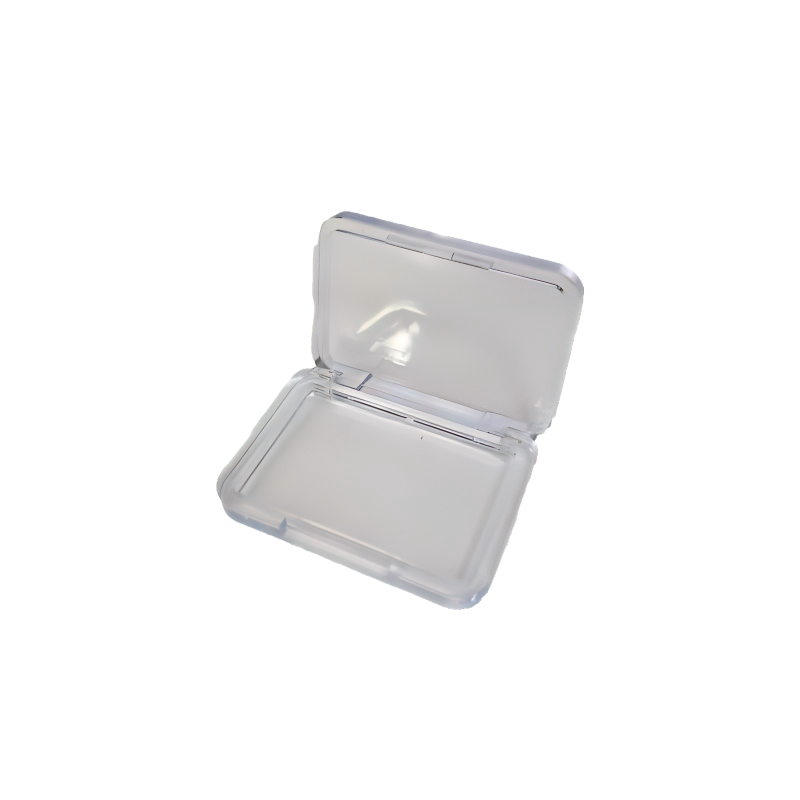
The Case Protects and Presents the Product
The base holds the pan securely
The pan sits in a recessed compartment. An eyeshadow cases factory molds the base to match the pan dimensions. The pan is pressed into the recess and held in place. A loose pan cracks the powder.
The lid closes with a snap or magnetic closure
The lid protects the product when closed. An eyeshadow cases factory designs the closure to stay shut during transport and open easily when the user needs it.
The case can include a mirror for application
Many eyeshadow cases include a mirror inside the lid. An eyeshadow cases factory attaches the mirror during assembly. The mirror is sized for the case.
Common specs for eyeshadow cases:
- Materials: ABS, PETG, polypropylene, acrylic
- Pan size: 26mm, 30mm, or custom
- Pan count: single, 4-pan, 6-pan, 9-pan, 12-pan
- Closure: snap, magnetic, or latch
- Mirror: included or optional
- Decoration: screen printing, hot stamping, embossing
Cosmetic Brands and Private Label Manufacturers Drive Demand
Cosmetic brands need cases that match their product line
Brands specify colors, finishes, and decoration. An eyeshadow cases factory produces cases in custom colors and applies branding.
Private label manufacturers need standard cases in volume
Private label manufacturers fill cases with their own formulas. An eyeshadow cases factory supplies standard case designs in high volumes.
Contract fillers need cases that work with their filling equipment
Filling lines require consistent case dimensions. An eyeshadow cases factory holds tight tolerances so the cases run smoothly on automated equipment.
Indie brands need smaller small order quantities
New brands start small. An eyeshadow cases factory offers lower MOQs for standard designs and higher MOQs for custom designs.
Buyers Focus on Material, Closure, and Decoration
Material quality affects the look and feel of the case
Cheap plastic looks cheap. An eyeshadow cases factory uses quality materials that feel substantial and look premium.
Closure reliability determines whether the product survives shipping
A loose closure spills powder. An eyeshadow cases factory tests the closure for holding strength.
Decoration quality affects shelf appeal
Printing and hot stamping must be sharp and durable. An eyeshadow cases factory uses quality decoration processes.
Pan fit affects product integrity
The pan must sit securely. An eyeshadow cases factory molds the recess to match the pan dimensions.
Mirror quality affects usability
A distorted mirror is worse than no mirror. An eyeshadow cases factory uses quality mirrors that provide a clear reflection.
Eyeshadow Cases Factories Support Brand Differentiation
Custom colors and finishes set brands apart
A black case and a rose gold case hold the same product but appeal to different customers. An eyeshadow cases factory offers a range of finishes.
Decoration options reinforce brand identity
Logos, patterns, and textures make the case recognizable. An eyeshadow cases factory provides decoration options that match the brand.
Case design affects the user experience
A case that opens smoothly and closes securely feels better to use. An eyeshadow cases factory designs cases with the user in mind.
Eyeshadow cases factories are responding to steady demand from cosmetic brands, private label manufacturers, and contract fillers. Buyers prioritize material quality, closure reliability, and decoration options. Eyeshadow cases factories continue to offer different materials, pan configurations, and decoration processes to meet the needs of the cosmetic industry.