English
  中文简体
中文简体  عربى
عربى  Español

Beauty brands demand packaging that protects and presents their products effectively. Compact designs. Mirror inserts. Pan assemblies. Secure closures. Without reliable cases, cosmetic products lose appeal and functionality. An eyeshadow cases factory produces the rigid packaging that houses pressed powder products. It manufactures cases with precision hinges and secure closing mechanisms. It ensures consistent fit and finish across production runs. This manufacturing capability makes brand presentation reliable and product protection effective.
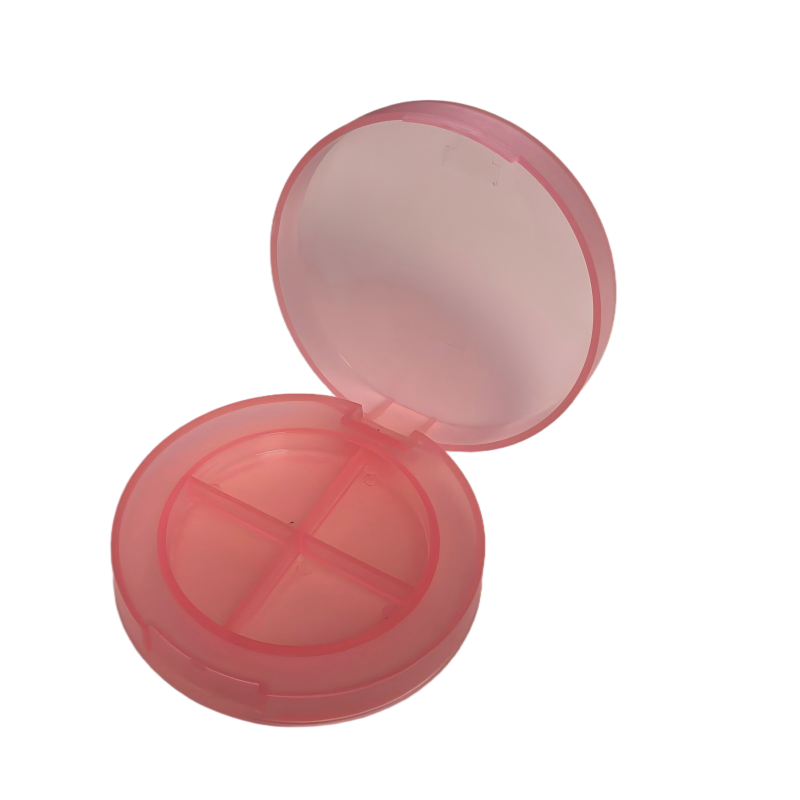
What Eyeshadow Cases Must Do
The case protects the product from damage and contamination
Eyeshadow formulas are fragile and sensitive to moisture. An eyeshadow cases factory produces cases with secure seals that keep out dust and humidity. The product remains intact during shipping and storage. The user receives the product in superb condition.
The case allows easy access and secure closure
Users open and close cases multiple times daily. An eyeshadow cases factory designs cases with smooth-opening hinges and positive-latching closures. The user opens the case easily. The case stays closed during transport. The product is convenient to use.
The case must be visually appealing and brand-appropriate
Packaging reflects brand identity. An eyeshadow cases factory offers customization options for colour, finish, and decoration. The case is printed or moulded with the brand design. The product stands out on the shelf. The consumer is attracted to the presentation.
Key Components of an Eyeshadow Case
The base holds the pan of pressed powder
The pan sits securely in the base. An eyeshadow cases factory moulds the base with a recess that matches the pan dimensions. The pan fits precisely. The powder does not shift. The product remains stable.
The lid protects the product and may include a mirror
The lid covers the powder when not in use. An eyeshadow cases factory produces lids with or without mirror inserts. A mirror adds functionality and convenience. The user applies the product with accurate reflection.
The hinge connects the lid to the base
Hinges allow opening and closing. An eyeshadow cases factory uses integrated living hinges or separate pin hinges. The hinge operates smoothly. The case opens to the desired angle. The product is accessible.
Common materials and finishes for eyeshadow cases:
- Materials: ABS, PETG, PP, acrylic, or metal
- Finish: matte, gloss, metallic, or soft-touch
- Decoration: silk-screen printing, hot stamping, UV coating
- Closure types: magnetic, snap-fit, latch
- Mirror options: plain, magnifying, or none
- Pan capacity: single pan, multiple pans, or palette styles
Where Eyeshadow Cases Are Used
Mass-market cosmetic brands
High-volume products need functional, cost-effective cases. An eyeshadow cases factory supplies cases for budget and mid-range brands. The cases are durable and consistent. The packaging meets price points. The products are widely accessible.
Luxury and prestige beauty brands
Premium products require premium packaging. An eyeshadow cases factory produces cases with metal accents, custom colours, and sophisticated finishes. The case reflects the brand's luxury positioning. The consumer perceives value.
Indie and startup cosmetic lines
New brands seek flexible small order quantities. An eyeshadow cases factory offers smaller production runs and standard case designs. The emerging brand launches with professional packaging. The product is competitive.
Private label and contract manufacturing
Retailers and manufacturers need unbranded cases for their lines. An eyeshadow cases factory supplies blank cases for decoration. The cases accept custom branding. The manufacturer adds the brand identity. The production is efficient.
Eyeshadow cases are available with various features and materials. Standard configurations include ABS, PETG, PP, acrylic, or metal construction, matte, gloss, metallic, or soft-touch finishes, silk-screen printing, hot stamping, or UV coating options, magnetic, snap-fit, or latch closures, and capacity for single pans, multiple pans, or palette configurations.
What to Evaluate When Sourcing Cases
Material compatibility with the product formulation is essential
Some plastics react with cosmetic formulations. An eyeshadow cases factory should provide material certification. The case does not affect the product. The formula remains stable. The safety profile is maintained.
Closure reliability affects user experience
Cases must close securely and stay closed. An eyeshadow cases factory should provide closure life testing data. The closure lasts for normal use. The customer is satisfied. The product is not damaged in bags or purses.
Hinge durability determines case lifespan
Hinges are failure points in plastic cases. An eyeshadow cases factory should design hinges for repeated use. The hinge does not crack. The case opens and closes smoothly over time. The product remains functional.
Decoration techniques must align with brand requirements
Brands have specific design needs. An eyeshadow cases factory should offer the required decoration methods. The print is precise. The metallic accents are consistent. The brand identity is reproduced faithfully.
An eyeshadow cases factory provides the packaging that protects and presents cosmetic products. But the case determines whether the consumer perceives quality or experiences disappointment. It decides whether the product survives the supply chain or arrives damaged. Choose a factory with appropriate materials, reliable closures, durable hinges, and precise decoration capabilities. Your products will be well protected. Your brand image will be consistent. That is the purpose of an eyeshadow cases factory. To make cosmetic packaging reliable and attractive.