English
  中文简体
中文简体  عربى
عربى  Español

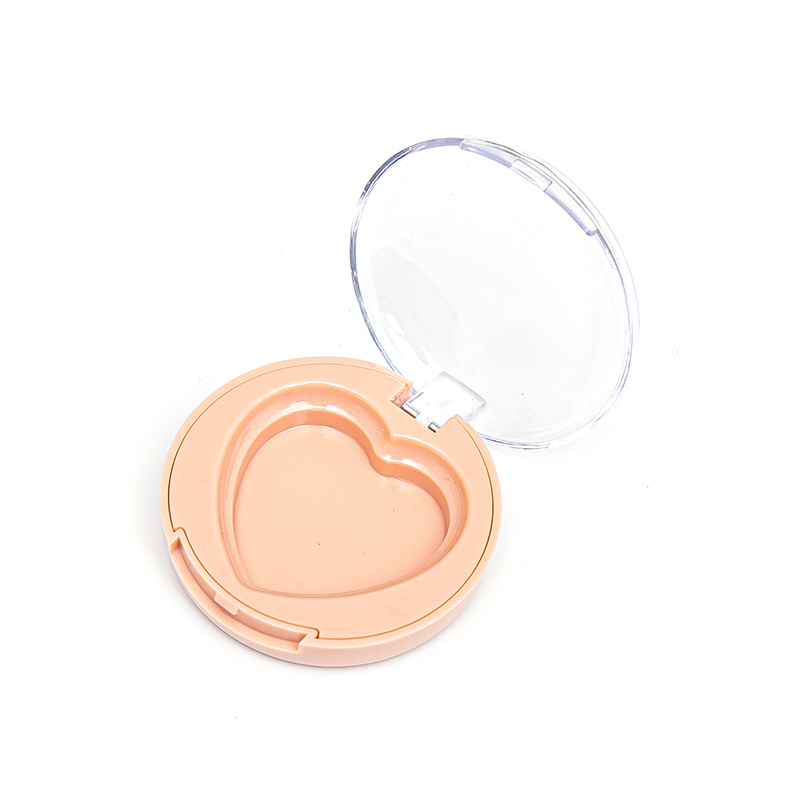
Cosmetic packaging is more than just a container—it influences usability, hygiene, and overall product appeal. Among various cosmetic holders, the Empty Blush Container plays a key role for makeup artists, brands, and DIY enthusiasts who prefer to customize their powders. From storing blush to creating personalized palettes, these containers combine convenience, durability, and functional design.
Understanding the Purpose of Empty Blush Containers
An Empty Blush Container is designed to hold powdered cosmetic products securely. Unlike pre-filled packaging, it offers flexibility for refilling, mixing, or creating custom colors. Many makeup professionals and hobbyists choose these containers for their portability and adaptability.
These containers also maintain product hygiene. Properly sealed containers prevent contamination while allowing users to carry powders without spillage. For cosmetic brands, offering empty containers can support refill programs, promoting sustainability and reducing single-use packaging.
Materials and Construction
The materials used in Empty Blush Containers are carefully selected for both safety and durability. Common choices include acrylic, polypropylene, and PET plastics, which are lightweight yet sturdy. Transparent or semi-transparent lids help users quickly identify the product inside.
Manufacturers pay attention to the finish of the container. Smooth inner surfaces prevent powder from sticking excessively, while secure lids maintain airtight closure. These design elements ensure that the blush retains its texture and color for longer periods.
Design Features That Matter
While simple at first glance, a good Empty Blush Container incorporates multiple functional features. Rounded edges, ergonomic shapes, and compact sizes improve handling and portability. Some containers include inner trays or inserts to help organize multiple shades within a single unit.
Designers also consider refillability. Containers with removable pans or twist mechanisms make it easier to swap powders without creating a mess. An Empty Blush Container that balances compactness with user-friendly features adds value for both personal and professional use.
Quality Control and Production Standards
Consistency and reliability are essential in cosmetic packaging. Manufacturers of Empty Blush Containers typically implement quality control measures such as dimensional checks, lid closure tests, and material inspections. These steps ensure that each container meets functional standards and maintains safety for cosmetic use.
Sample testing may include drop tests or repeated opening and closing to simulate daily handling. This attention to detail helps prevent issues like lid breakage or loose closures, which could compromise the product inside.
Customization and Market Flexibility
Different brands or users may require unique designs, colors, or sizes. An Empty Blush Container manufacturer often provides customization options, including colored lids, printed logos, or special finishes. This flexibility allows cosmetic brands to match containers with their visual identity and market positioning.
Customization is also important for refillable or DIY kits. Offering standardized empty containers enables bulk buyers to assemble their own palettes efficiently while maintaining product consistency.
Long-Term Use and Sustainability Considerations
Empty Blush Containers are designed for repeated use. By encouraging refills rather than disposables, they contribute to more sustainable cosmetic practices. Users can swap powders without discarding the entire package, reducing plastic waste.
For professional makeup artists, long-lasting containers also provide economic benefits. Durable and refillable containers reduce the need for frequent replacements while keeping their toolkit organized.
An Empty Blush Container combines practicality, durability, and user-friendly design to support both personal and professional cosmetic needs. From material selection to functional features and quality control, each stage in production ensures that the container serves its intended purpose. Understanding these details helps buyers choose containers that are reliable, refillable, and well-suited for creative or commercial applications.