English
  中文简体
中文简体  عربى
عربى  Español

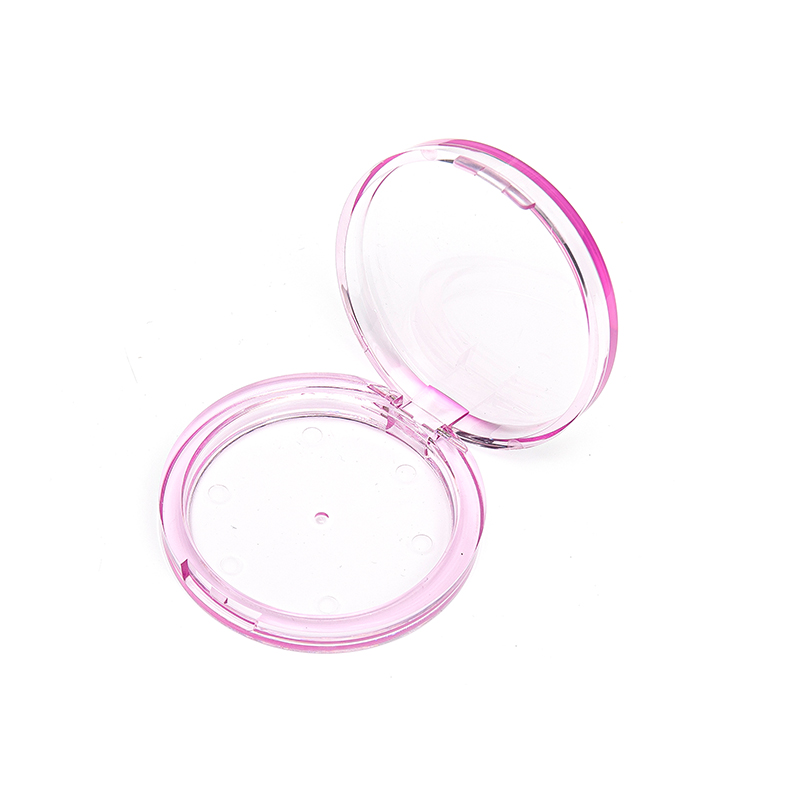
For cosmetic manufacturers and OEM/ODM partners, a Pressed Powder Case is more than just a container—it is a critical component of the product experience. The case not only protects the pressed powder but also influences brand perception, packaging efficiency, and user satisfaction. In today's competitive cosmetic market, choosing the right case can improve production workflow and appeal to end customers.
The Role of Pressed Powder Cases in Production
Pressed powder cases are compact containers designed to hold pressed powders such as face powders, foundation powders, or finishing powders. For manufacturers, these cases must meet multiple requirements: durability during shipping, suitability for automated filling lines, and compatibility with additional elements like mirrors, applicators, or refill inserts.
Material selection is critical. Plastic cases offer lightweight and cost-efficient solutions, while metal or composite options can support premium product lines. The design must balance functionality with aesthetics to ensure client satisfaction without complicating assembly or shipping processes.
Advantages for Cosmetic Manufacturers
- Protection and Durability – A well-designed pressed powder case prevents breakage, contamination, or powder loss during storage and transport.
- Production Efficiency – Cases compatible with automated assembly or filling equipment can streamline manufacturing, reducing labor costs and processing time.
- Customization – Manufacturers can offer custom colors, logos, or textures to help clients differentiate their products in the market.
- Refillable Options – Some cases allow refill inserts, providing flexibility for clients who wish to offer eco-friendly or modular cosmetic solutions.
For B2B clients, these benefits translate into smoother operations and increased customer satisfaction.
Key Considerations for Bulk Manufacturing
When selecting Pressed Powder Cases for mass production, manufacturers should evaluate:
- Material and Finish – Ensure compatibility with printing, embossing, or coating processes for branding purposes.
- Size and Capacity – Cases should match the powder volume and fit standardized filling lines.
- Closure Mechanism – Snap, magnetic, or twist closures must be secure yet easy to operate.
- Regulatory Compliance – Materials should meet safety and cosmetic packaging standards relevant to the target markets.
Selecting cases that address these factors reduces returns, improves assembly efficiency, and supports brand positioning.
Applications Across Product Lines
Pressed powder cases are used across multiple segments:
- Mass-Market Cosmetics – Durable, cost-effective cases suitable for high-volume production.
- Premium Lines – Metal or composite cases with custom finishing, mirrors, or decorative elements.
- Travel and Mini Sizes – Compact, lightweight options for travel-friendly products or sampler kits.
- Refillable Collections – Eco-conscious designs that allow clients to sell powder refills without replacing the full case.
The ability to offer diverse case types allows manufacturers to meet different client needs while maintaining production efficiency.
Enhancing Client Relationships
By providing reliable, customizable, and efficient pressed powder cases, manufacturers support their clients in creating products that are functional and appealing. Case design can influence user experience, brand loyalty, and repeat purchases. Offering a variety of options—from standard plastic to premium metal designs—positions manufacturers as versatile partners capable of addressing market trends.
For cosmetic manufacturers, the Pressed Powder Case is a strategic packaging component. Beyond containing the powder, it affects production efficiency, client satisfaction, and brand perception. Choosing the right materials, closure systems, and designs ensures that products arrive intact, are easy to use, and align with client expectations.
Investing in high-quality pressed powder cases enables manufacturers to deliver both functional and visually appealing solutions. By considering durability, customization, and production compatibility, manufacturers can offer products that enhance their clients' market presence while streamlining operations.