English
  中文简体
中文简体  عربى
عربى  Español

Most people don’t really think about storage when doing makeup, but it quietly affects how the whole routine feels. An eyeshadow case sits in the background of that process, yet it changes how fast colors are picked, how often shades are actually used, and even how "messy" or "organized" a collection feels over time.
Once a few palettes or loose pans start to accumulate, the way they sit together becomes part of the experience, not just a container problem.
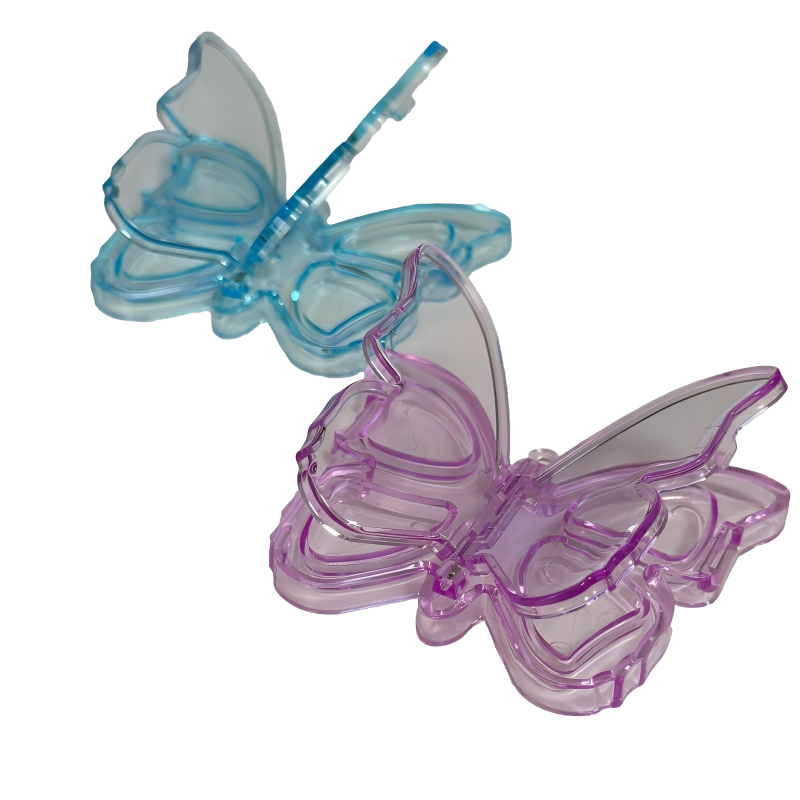
What makes an eyeshadow case easy to use during everyday makeup routines
In real use, the difference shows up in small moments. Reaching for a color while holding a brush, opening the case with one hand, or trying to find a shade quickly before blending everything together. If the case shifts around or feels awkward to open, it interrupts that flow more than people expect.
Some details that quietly matter include how the lid moves, whether it stays in place when open, and how clearly the colors are visible without tilting it under light. Even weight plays a role. A case that stays steady on a table tends to get used more naturally, while a wobbly one often gets pushed aside during faster routines.
With Eyeshadow Cases, usability is often less about looks and more about whether it disappears into the routine instead of getting in the way.
How magnetic layouts in eyeshadow cases change the way you organize colors
Magnetic layouts tend to change behavior over time. At first, most people just place pans wherever they fit. But after a while, patterns start to appear. Some shades get used more often, some get grouped together, and suddenly the layout stops being random.
The interesting part is that nothing forces this change. It happens because the pans can move. A shade that was once in the corner might slowly shift closer to the center simply because it keeps getting picked up.
| Way colors get arranged | What usually happens in practice |
|---|---|
| By tone similarity | People start seeing gradients more clearly |
| By frequency of use | Some shades naturally "move forward" |
| By makeup mood | Layout changes depending on current style |
In many Eyeshadow Cases, this flexibility makes the palette feel less like a fixed object and more like something that evolves with daily habits.
Which pan sizes fit different eyeshadow cases and why compatibility matters
Pan size might seem like a small detail, but it has a visible impact once everything is placed together. The way pans fit inside the case changes both the visual balance and how easy it is to navigate the shades.
When compatibility is not ideal, a few things often show up:
- Small pans leaving visible gaps that break visual flow
- Large pans limiting how many shades can be placed nearby
- Mixed sizes creating uneven spacing across the layout
- Slight movement when the case is handled frequently
When sizes are aligned more naturally, the arrangement usually feels more settled. Colors are easier to scan visually, and the layout tends to stay consistent even after repeated opening and closing.
Inside Eyeshadow Cases, compatibility is not only about fitting parts together but also about how smooth the overall layout feels when it is used in daily situations.
Why some eyeshadow cases are designed to reduce powder mess during storage
Powder mess is one of those things people only notice when it builds up. It starts small, usually around the edges of pans or inside corners, and slowly becomes part of the case if nothing prevents it.
Some designs try to reduce that by keeping surfaces smooth and minimizing places where powder can settle. Others focus on spacing, so pans don’t rub against each other when the case moves. Even how tightly compartments sit together can change how much loose powder spreads inside.
With Eyeshadow Cases, this isn’t about keeping everything spotless all the time, but more about slowing down how quickly things start to look cluttered between cleanings.
How internal mirror placement affects your makeup application experience
A mirror inside a makeup case sounds like a small detail, but in real use it quietly decides how smooth the whole process feels. When the angle is slightly off, people often end up tilting the case, adjusting posture, or switching positions just to see one shade properly.
In everyday routines, what matters more is how naturally the mirror "fits into the hand movement" rather than how clear it is.
Some things people tend to notice over time:
- When the mirror sits too flat, it feels like you are fighting the angle instead of using it
- If it reflects too narrowly, you end up moving the case more than expected
- A more natural tilt usually reduces those small interruptions between steps
- Lighting reflections sometimes make color judgment feel slightly less direct
With Eyeshadow Cases, this part is often only noticed when something feels slightly inconvenient, not when everything is working smoothly.
What users should consider when choosing modular eyeshadow cases for customization
Modular layouts usually change how people treat their makeup collection. Instead of seeing it as a fixed palette, it starts feeling more like something you can rearrange when your habits shift.
Over time, people tend to adjust things without planning too much: a shade gets used more often, another one gets pushed aside, and suddenly the layout starts to reflect real behavior rather than original design.
Things users often end up caring about in practice:
- Whether pans can be moved without feeling forced or loose
- How easy it is to rebuild a layout without frustration
- If different shapes still sit neatly together after changes
- Whether rearranging feels quick or slightly time-consuming
In many Eyeshadow Cases, modular design becomes less about customization at the beginning and more about small adjustments that happen naturally over weeks of use.
How eyeshadow cases support depotting and palette rearrangement for personal style
Depotting often starts as a practical decision, but over time it becomes something closer to a personal way of organizing color. Once shades are taken out of their original packaging, they are no longer limited by how they were first arranged. The structure becomes more open, and the way colors sit together starts to reflect actual habits rather than preset grouping.
In daily use, rearrangement rarely happens all at once. It tends to shift gradually, almost without intention. Frequently used shades slowly end up closer to where the hand naturally reaches, while similar tones begin to sit near each other simply because they feel easier to compare. Some colors are replaced more often than others, which also changes the balance of the whole layout over time, and even small changes in routine or mood can influence how the arrangement evolves.
This is where Eyeshadow Cases feel less like static storage and more like a flexible surface that quietly follows how color is actually used, instead of how it was originally organized.
Which design details make eyeshadow cases more suitable for travel use
When a case is carried around, everything becomes more sensitive than it feels at home. A small movement in a bag, a slight bump, or repeated opening can slowly affect how organized everything stays inside.
Instead of thinking about design in theory, people usually notice it in motion.
Here are a few things that tend to matter in real situations:
- A closure that does not feel like it might open by accident
- Internal spacing that keeps pans from shifting when the case moves
- A shape that fits naturally into small bags without forcing space
- A surface that does not collect visible residue too quickly after repeated use
| Travel situation detail | What users usually notice |
|---|---|
| Opening and closing often | Whether it still feels stable after repeated use |
| Movement inside bags | If colors stay in their original position |
| Limited space packing | How easily it fits with other items |
| Frequent handling | How quickly the inside starts to look messy |
For Eyeshadow Cases, travel use often reveals small structural differences that are not obvious when the case is only sitting on a table. In manufacturing practice, considerations like these are often discussed in product development work at Zhejiang Ailishi Plastic Products Co., Ltd.