English
  中文简体
中文简体  عربى
عربى  Español

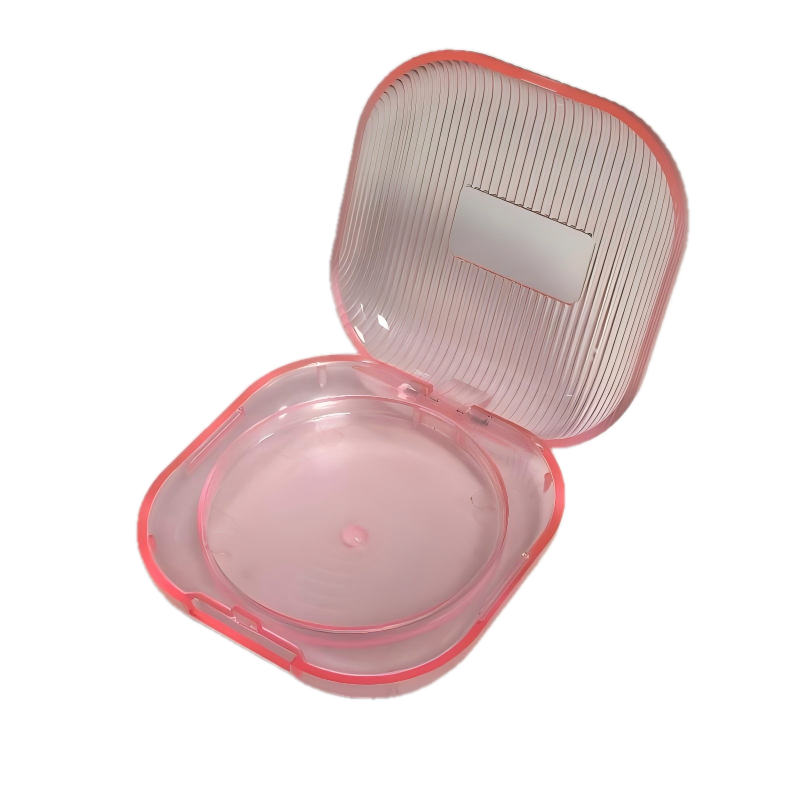
The cosmetics industry relies heavily on packaging solutions that are functional, durable, and aesthetically appealing. Among these, Empty Face Powder Containers serve as essential components for storing and transporting powders safely. Manufacturing these containers involves careful planning, material selection, and precise production techniques to meet industry standards and client requirements.
Material Selection and Its Impact
One of the first considerations in producing an Empty Face Powder Container is the material choice. Common options include polypropylene (PP), polyethylene (PE), acrylic, and sometimes glass. Each material offers specific advantages: plastics are lightweight, cost-effective, and easy to mold, while acrylic or glass provides a premium feel and greater rigidity.
The chosen material affects durability, transparency, chemical resistance, and compatibility with powders. Consistent quality in raw materials ensures that the containers can withstand filling, transportation, and daily use without cracking or leaking.
Manufacturing Techniques
Empty Face Powder Containers are generally produced through injection molding or blow molding processes. Injection molding allows precise control over shape, thickness, and detail, making it suitable for producing lids, bases, and threaded components. Blow molding is often used for larger or hollow container designs.
Advanced manufacturing setups also integrate automated trimming, polishing, and quality control stations. These steps ensure smooth edges, uniform dimensions, and a consistent finish, which are critical for both functional performance and aesthetic appeal.
Design Considerations in Mass Production
When designing containers for large-scale production, manufacturers must balance functionality, manufacturability, and cost. Lids must seal tightly to prevent spillage, while bases should be stable and stackable. Some containers include sifters or inserts, which require additional assembly steps.
Dimensional consistency is essential to allow lids and bases to fit perfectly during assembly. Slight variations can cause leakage, misalignment, or poor user experience. Quality control checks at each stage help maintain tolerance standards and reduce waste.
Automation and Production Efficiency
Modern production of Empty Face Powder Containers often involves automated lines that handle molding, trimming, assembly, and packaging. Automation increases output capacity, reduces labor intensity, and maintains consistent quality. Conveyor systems, robotic arms, and inspection cameras are commonly integrated to monitor the production process in real-time.
Efficiency also relies on proper material handling. Resin drying, blending, and color dosing must be tightly controlled to prevent defects such as warping, discoloration, or uneven thickness.
Quality Control and Testing
Quality assurance is a critical part of manufacturing Empty Face Powder Containers. Containers are checked for dimensional accuracy, lid closure force, and surface finish. Stress tests and drop tests are sometimes conducted to ensure durability during shipping and handling.
Batch sampling ensures that each production lot meets client specifications. Maintaining high standards reduces returns, customer complaints, and potential contamination of cosmetic powders.
Sustainability and Environmental Considerations
As the cosmetic packaging industry grows, manufacturers are exploring eco-friendly materials and recyclable plastics for Empty Face Powder Containers. Lightweight designs reduce material usage, while modular or refillable containers encourage longer product life. Some manufacturers also implement closed-loop recycling systems for production scrap.
The production of Empty Face Powder Containers combines material science, precision engineering, and efficient manufacturing practices. From raw material selection to molding, assembly, and quality inspection, each step ensures containers are durable, functional, and suitable for the cosmetic industry. By focusing on consistency, automation, and sustainable practices, manufacturers can deliver containers that meet client demands while optimizing production efficiency and minimizing waste.