English
  中文简体
中文简体  عربى
عربى  Español

Walk through any makeup aisle. The eyeshadow catches your eye first. The color. The shimmer. But the case matters too. It holds the product. It protects the powder from cracking. It opens and closes smoothly. An eyeshadow cases factory produces these small but critical packages. Buyers choose a factory based on quality, not just price. Here is what they check.
What an Eyeshadow Case Includes
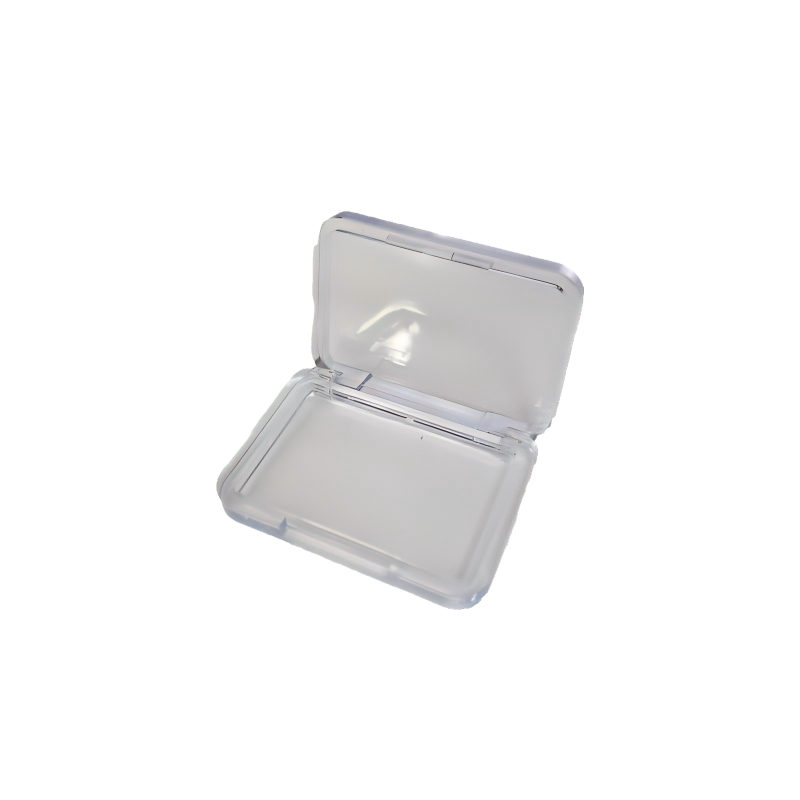
The base holds the metal pan with the powder
The base is the bottom half of the case. A recess in the base holds a metal pan. The pan sits flush. Glue holds it in place. An eyeshadow cases factory needs to get the recess depth right. Too deep, and the pan rattles. Too shallow, and the pan sticks up. The lid does not close.
The base material is usually plastic. ABS. SAN. PET. ABS is tough. It resists drops. SAN is clearer. Better for see-through cases. PET is recyclable. Good for eco-friendly brands.
The lid covers the powder and protects it
The lid hinges to the base. Some lids are clear. You see the color inside. Others are colored to match the brand. An eyeshadow cases factory makes both.
The lid needs a tight seal. Not airtight. But tight enough that powder does not spill out. The lid also needs to open easily. A fingernail under the lip. Pop it open.
The hinge connects the base and lid
The hinge is the stressed part. Open and close the case hundreds of times. A eyeshadow cases factory with good hinge design uses a living hinge. The plastic is thinner at the hinge line. It flexes. It does not break.
Cheap cases use a separate pin hinge. Two pieces of plastic with a metal pin. The pin falls out. The case separates.
Quality Control in an Eyeshadow Cases Factory
Dimensional consistency across all cases
A brand orders 50,000 cases. All need to be identical. An eyeshadow cases factory uses injection molding. Molten plastic goes into a steel mold. The mold makes one case every few seconds. If the mold is worn, the cases vary. Some are loose. Some are tight.
Good factories measure cases from every batch. They check the base depth. The lid fit. The hinge alignment. Bad cases get scrapped.
Hinge durability testing
The factory tests the hinge. Open and close a sample case 500 times. Does the hinge crack? Does the lid stay closed? Does it still snap shut? A eyeshadow cases factory that skips hinge testing ships cases that fail in the customer's hand.
Pan fit and glue application
The metal pan needs to sit flat. No wobble. The eyeshadow cases factory uses a robotic glue dispenser. Consistent amount. Consistent placement. No glue squeeze-out.
Cheap factories glue by hand. Too much glue. Glue on the pan rim. The customer sees it. The brand looks bad.
Here is what quality control checks:
- Base depth — plus or minus 0.1mm
- Lid fit — no gap when closed
- Hinge flex — 500+ cycles without cracking
- Pan recess — flat, no wobble
- Glue — no squeeze-out, no visible glue
Materials and Finishes
Plastic types for different markets
ABS is standard for eyeshadow cases factory products. Tough. Impact resistant. Takes paint well. SAN is clearer. Shows the product inside. PET is for brands that want recyclable packaging.
Here is how materials compare:
- ABS — tough, opaque or translucent, good for painted cases
- SAN — clear, brittle, good for see-through cases
- PET — clear, recyclable, softer than SAN
- PP — flexible, chemical resistant, less common for eyeshadow
Surface finishes: glossy, matte, textured
A glossy finish looks shiny. Shows fingerprints. A matte finish is flat. Hides smudges. A textured finish adds grip. An eyeshadow cases factory can produce any of these. The mold surface determines the finish. A polished mold makes glossy parts. A bead-blasted mold makes matte.
Decoration: printing, hot stamping, in-mold labeling
The brand logo goes on the case. An eyeshadow cases factory offers different methods. Screen printing is cheap. Ink sits on top. It wears off. Hot stamping uses foil. Metallic. Durable. In-mold labeling puts the label inside the plastic. Never wears off.
Here is what decoration methods cost and last:
- Screen printing — cheap, wears off, good for budget
- Hot stamping — medium cost, durable, metallic look
- Pad printing — medium cost, good for small logos
- In-mold labeling — expensive, permanent, premium look
What Goes Wrong with Cheap Eyeshadow Cases
The hinge breaks after a few uses
Cheap plastic. Poor hinge design. The eyeshadow cases factory saved a penny per case. The customer opens the case ten times. The hinge cracks. The lid falls off. The powder spills. The brand gets bad reviews.
The lid does not close tightly
The latch is weak. The eyeshadow cases factory made the lid too small. The case sits in a purse. The lid pops open. Powder gets everywhere. The customer is angry.
The pan falls out
Not enough glue. Or the wrong glue. The eyeshadow cases factory used cheap adhesive. The pan detaches. The powder moves around. The customer opens the case. Powder spills.
The color of the case does not match across batches
The plastic resin has colorant. One batch is slightly lighter. Another batch is slightly darker. An eyeshadow cases factory with poor color control ships mismatched cases. The brand looks inconsistent.
An eyeshadow cases factory produces a small product. But that small product affects the brand. A good case feels solid. It opens and closes smoothly. It protects the powder. It looks good on the shelf.
Buyers should visit the factory. Check the injection molding machines. Look at the quality control station. Test the hinges. Ask about material certifications.
A cheap case saves pennies. It costs the brand in returns and bad reviews. A good case costs a little more. It keeps the product safe. It keeps customers happy.
The eyeshadow inside is the star. But the case is the stage. A wobbly stage distracts from the performance. A solid stage lets the star shine. Choose your eyeshadow cases factory accordingly.